
Ada Remediation
Agent-first PDF accessibility remediation system for auditing documents against WCAG and PDF/UA, reviewing fixes, and exporting compliant PDFs.
Overview
Ada Remediation is an AI-powered PDF accessibility remediation system I am building across a FastAPI backend, a Next.js 16 platform, and a marketing site. The workflow inspects PDF structure trees, renders pages for vision analysis, reports WCAG 2.1 AA and PDF/UA issues, lets reviewers accept, edit, or reject each proposed fix, then applies structured remediation with pikepdf to export cleaner, more accessible documents. Current work spans audit persistence, review UX, screen-reader checks, and productionizing the pipeline for real document workflows.
Key points
Agent-First Audit Loop
Combines PDF structure inspection, page rendering, and model-driven issue reporting to find remediation work with document-level context instead of relying on a static checker alone.
Human Review Before Export
Every proposed fix can be accepted, rejected, or edited before export, preserving human control over heading structure, alt text, reading order, and artifact decisions.
Structured PDF/UA Export Pipeline
Applies exact fixes such as alt text, heading levels, structure types, metadata, document tags, and figure bounding boxes through a pikepdf-based export flow.
Full-Stack Remediation Product
Built across a FastAPI backend and a Next.js 16 plus React 19 frontend, with ongoing work on persistence and project-level audit management for production use.
More research

Building AI agents at Sully, which gives health systems more capacity for care: agents for the front desk, the visit, and everything after, connected to the EHR.
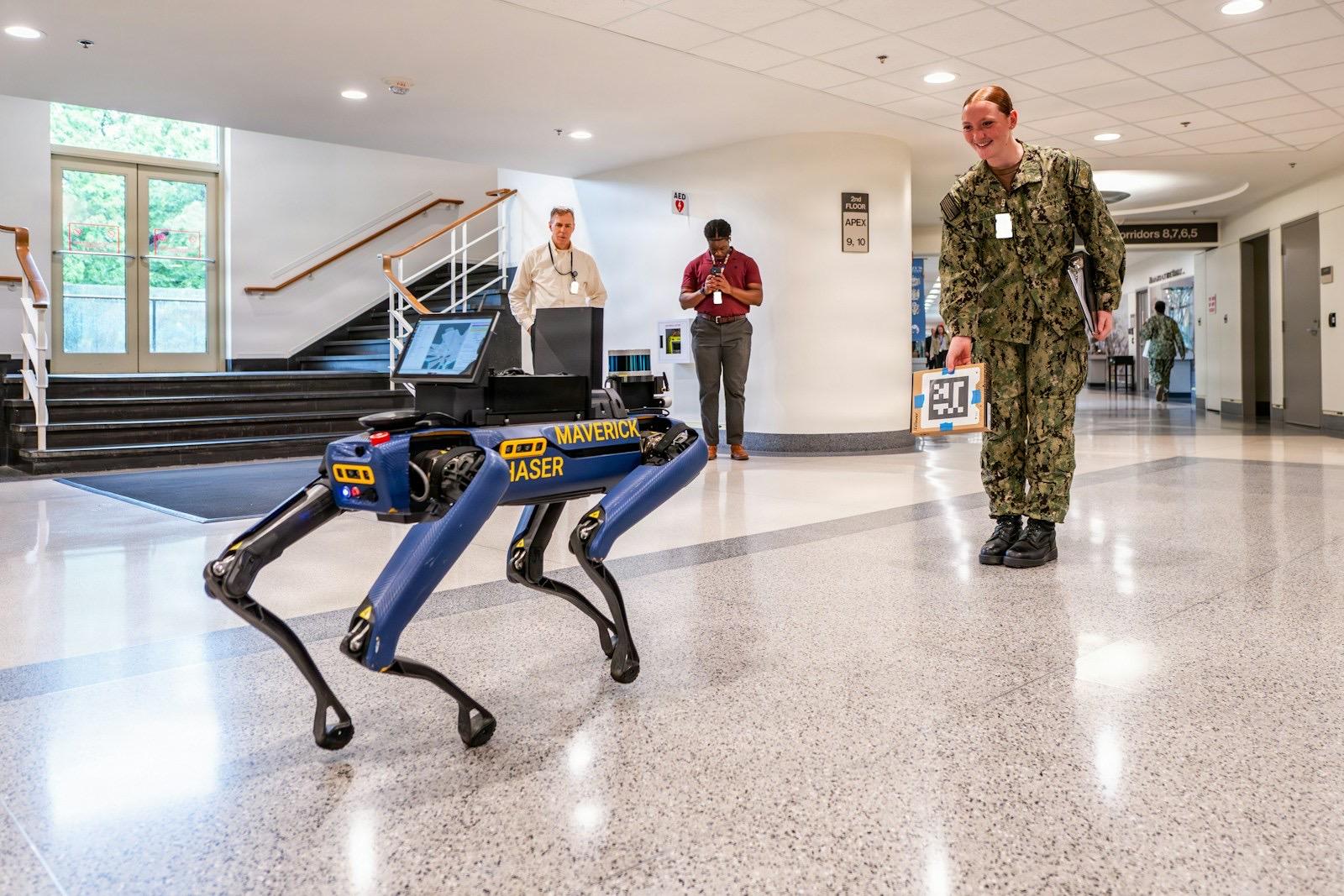
Infrastructure that helps the Department of War find and field technology already proven in university research labs.

A constrained, semi-autonomous coordination agent for scientific research teams. Accepted at the ICML 2026 AI for Science Workshop.