
Bruno
A constrained, semi-autonomous coordination agent for scientific research teams. Accepted at the ICML 2026 AI for Science Workshop.
Paper · ICML 2026 AI for Science Workshop
Bruno: An AI Product Manager for Scientists
Overview
Bruno is a semi-autonomous coordination agent for scientific research teams, co-authored with Andreas Haupt as part of Prototyping Intelligent Organizations. Rather than generating hypotheses or running experiments, Bruno covers the coordination layer: it ingests state from the tools a lab already uses — Slack, GitHub, Overleaf, Weights & Biases, calendars, transcripts — maintains a project-scoped model of tasks, decisions, and artifacts, and surfaces that state through Slack and dashboards. Its action space is restricted by design to messages, dashboards, and human-confirmed task mutations; it has no write access to code, manuscripts, datasets, or instruments. We argue this constraint is the load-bearing design choice for deploying agents in high-stakes scientific workflows.
Key points
Awarded at ICML 2026
Bruno: An AI Product Manager for Scientists, with Andreas Haupt, was awarded in the AI Scientist Proposal Competition at the ICML 2026 AI for Science Workshop.
Constrained by Design
No write access to code, manuscripts, datasets, or instruments — actions are limited to messages, dashboards, and human-confirmed task mutations.
Cross-Tool Coordination
Links a finished W&B sweep to its todo, logs closing PRs, and flags Overleaf edits — one project-scoped model across the tools a lab already uses.
Four-Layer Architecture
Read-only ingest adapters feed a typed, project-scoped state store (task graph, decision log, artifact index, failure log); a model router runs routine state-keeping on small models and reserves a frontier model for plan revision; output goes to Slack and dashboards.
Evaluation Roadmap
The paper proposes a longitudinal, within-team evaluation — a planned quarter-long pilot in a graduate computational biology course measuring transactive memory, shared mental models, and perceived coordination effectiveness, rather than one-shot benchmarks.
More research
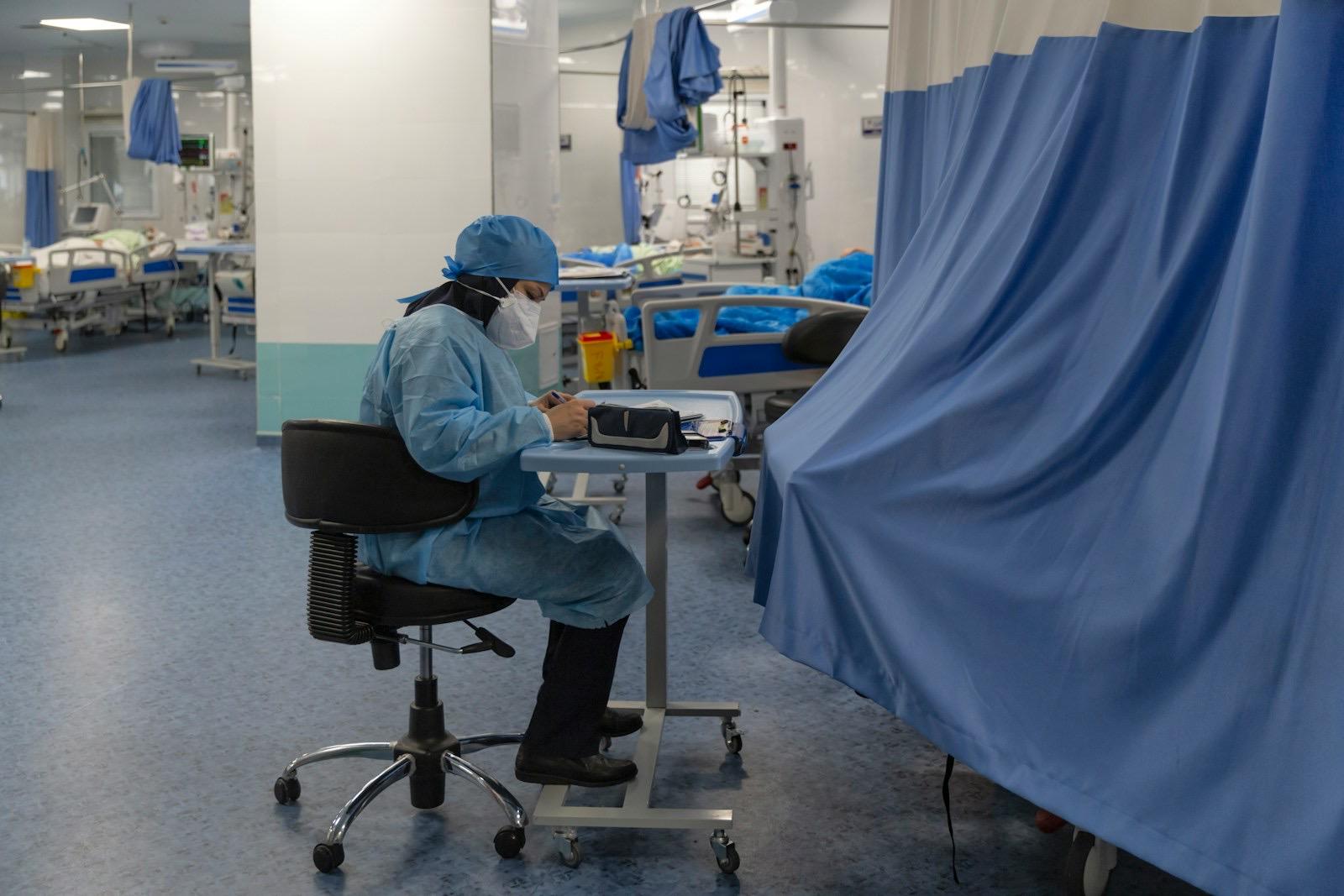
Building AI agents at Sully, which gives health systems more capacity for care: agents for the front desk, the visit, and everything after, connected to the EHR.
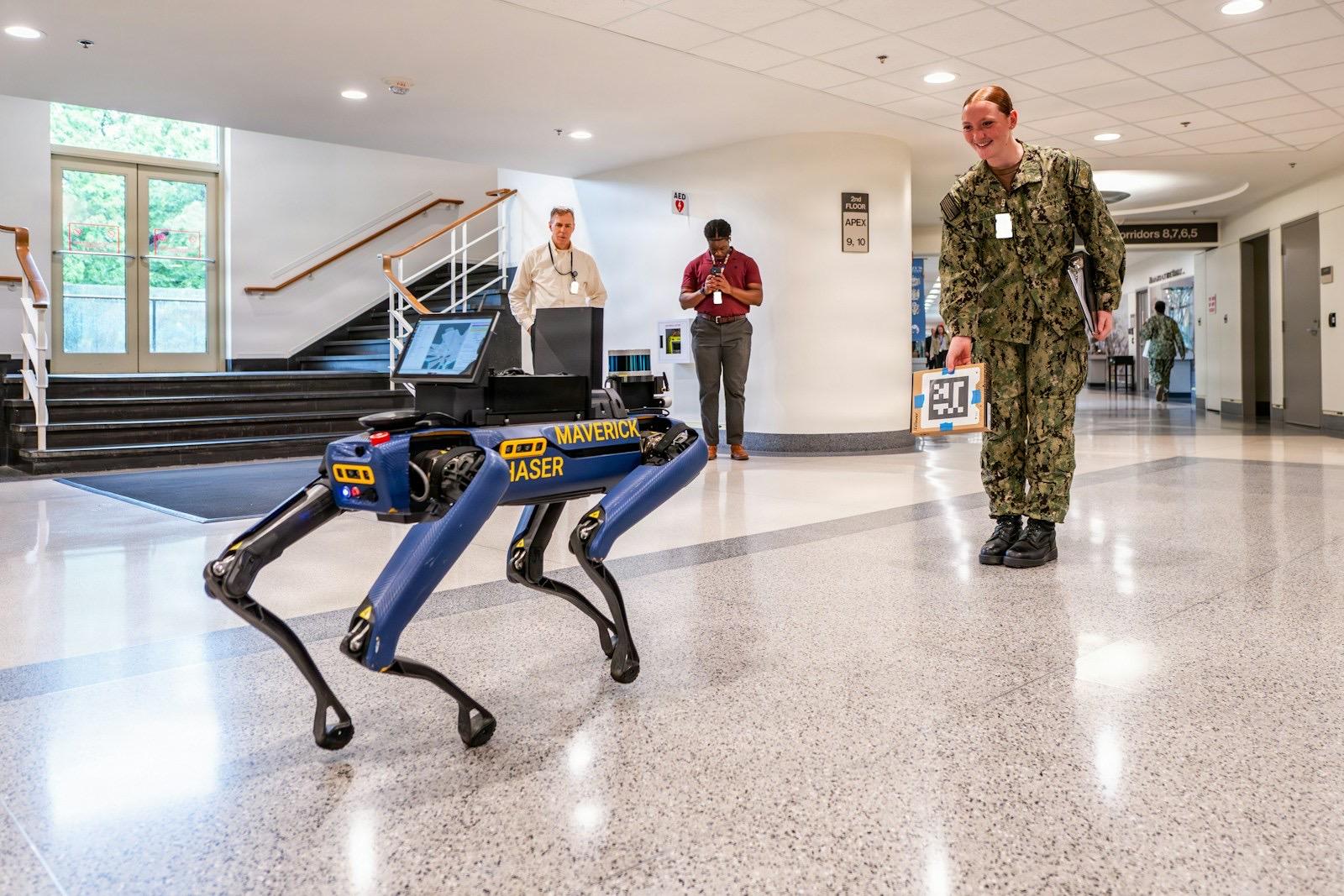
Infrastructure that helps the Department of War find and field technology already proven in university research labs.

A searchable database of brand design systems, made machine-readable so AI agents can build products that match a brand's look and feel.